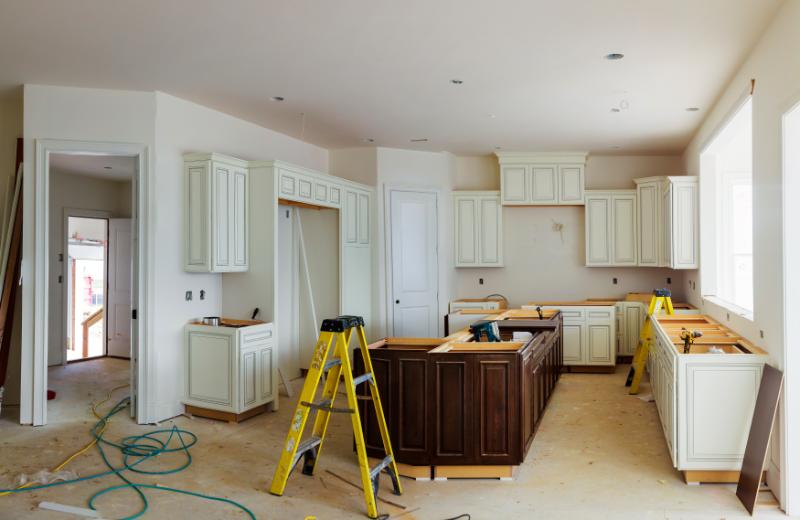
A home remodel can be one of the best ways to improve your living space, but it can also become expensive quickly if you don’t have a clear plan. Whether you’re updating a kitchen, adding a bathroom, or renovating several areas of your house, establishing a realistic budget from the beginning can help prevent unpleasant surprises. Working with an experienced home remodeling company can also make it easier to understand your options and keep the project moving in the right direction.
Start With a Clear Remodeling Goal
Before thinking about countertops, flooring, paint colors, or fixtures, decide what you actually want to accomplish with the remodel.
Are you trying to make your kitchen more functional? Do you need additional living space? Are you updating an outdated bathroom? Or are you preparing the home for your family to live in for many more years?
Having a clear goal helps you prioritize your spending. It is easy to get distracted by attractive design ideas and add features that weren’t part of the original plan. A defined scope gives you something to refer back to whenever you are deciding whether an upgrade is worth the additional cost.
Establish Your Budget Early
Once you know what you want to accomplish, establish a realistic spending limit. Don’t simply choose a number based on what you would like to spend. Consider the size of the project, the condition of your home, the materials you want, and the type of work involved.
It is also smart to leave some room in your budget for unexpected expenses. Older homes, in particular, can have issues hidden behind walls or underneath floors. Electrical problems, plumbing issues, water damage, and structural concerns may not become apparent until demolition begins.
A contingency fund can help you handle these surprises without putting the entire project on hold.
Decide Where to Spend and Where to Save
Not every part of a remodel needs to be top-of-the-line.
One way to control costs is to identify the areas where quality matters most and where you are comfortable choosing more affordable alternatives. For example, you may want to invest in durable kitchen cabinets and countertops while choosing a simpler backsplash.
The same approach can work with flooring, lighting, plumbing fixtures, appliances, and hardware. Saving on a few smaller elements can give you more room in the budget for the features that have the biggest impact.
Get Detailed Estimates
A basic project estimate may not tell you everything you need to know. When comparing remodeling proposals, look at what is actually included.
Ask about labor, materials, demolition, permits, disposal, installation, and other potential costs. A lower initial estimate isn’t necessarily the better deal if important parts of the project are excluded.
Detailed estimates also make it easier to compare contractors fairly. Instead of simply looking at the final number, you can see where the money is going and identify areas where adjustments might be possible.
Avoid Changing the Plan Mid-Project
One of the easiest ways for a remodeling budget to grow is through changes after construction has already started.
You might decide that you want different cabinets, move a wall, change the plumbing layout, or upgrade to more expensive materials. While some changes are unavoidable, unnecessary changes can add both material and labor costs.
Try to make as many design decisions as possible before work begins. Choosing your finishes, fixtures, appliances, colors, and layouts ahead of time can reduce delays and help keep spending under control.
Think About Long-Term Value
Saving money doesn’t always mean choosing the cheapest option.
A low-cost material that needs to be replaced in a few years may ultimately cost more than investing in something durable. When planning your remodel, consider how frequently each feature will be used and how long you expect it to last.
High-use areas such as kitchens and bathrooms often deserve additional attention because they experience significant daily wear and tear. Spending more on quality where it matters can make the remodel a better long-term investment.
Keep Some Flexibility in Your Design
Having a specific vision is helpful, but being flexible can save money.
If a particular countertop, tile, cabinet style, or fixture is significantly more expensive than expected, ask whether there are comparable alternatives. You may be able to achieve a similar appearance without exceeding your budget.
Being open to different materials, layouts, or finishes gives your remodeling team more opportunities to find practical solutions.
Work With the Right Remodeling Team
A successful remodel involves more than choosing attractive materials. You also need a team that understands the construction process, communicates clearly, and can help you make informed decisions throughout the project.
An experienced remodeling contractor can help identify potential problems before they become expensive surprises, explain where your budget is best spent, and coordinate the various stages of construction.
The right team can also help you balance your design goals with the realities of your home and budget.
Don’t Let the Budget Disappear Into Small Upgrades
Small upgrades may not seem expensive individually, but they can add up quickly.
An upgraded faucet here, a more expensive light fixture there, and a few additional design changes can eventually add thousands of dollars to a project. Keep track of these decisions as you go and look at the total impact rather than considering each expense separately.
A simple running budget can make it easier to recognize when you are getting close to your limit.
Plan First, Remodel Second
The best way to avoid going over budget is to spend time planning before construction begins. Establish your priorities, understand your financial limits, compare detailed estimates, and leave room for unexpected expenses.
A good remodel should improve your home without creating unnecessary financial stress. With a clear plan and the right remodeling professionals, you can make thoughtful decisions throughout the process and create a finished space that fits both your lifestyle and your budget.